
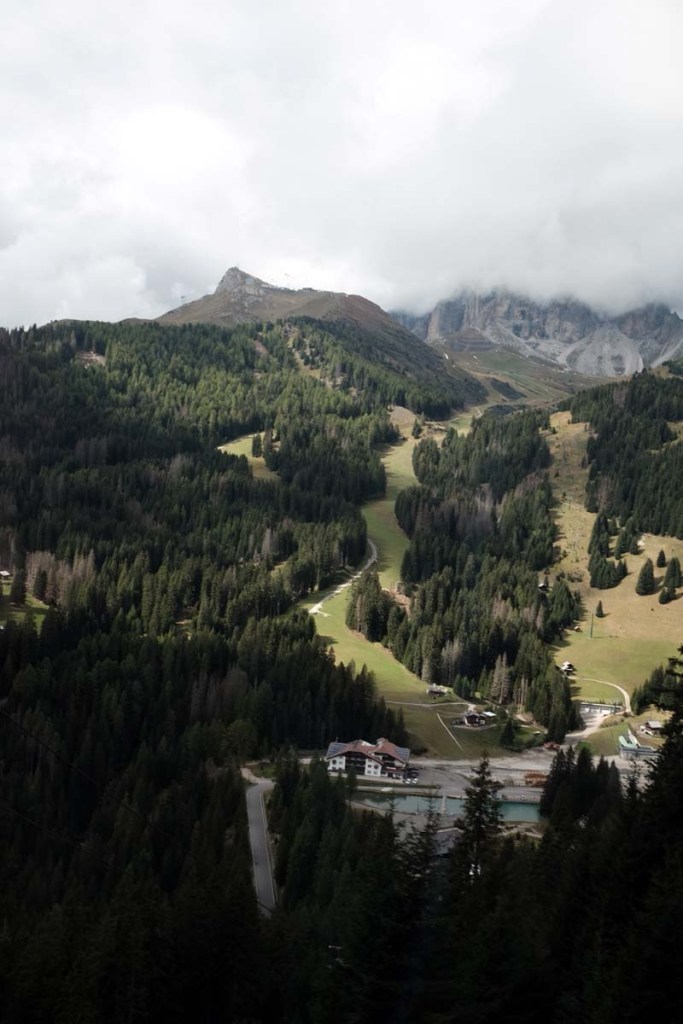
The Dolomites, a UNESCO World Heritage site, represent not only a stunning natural landscape characterised by unique geological formations and rich biodiversity but also a model for sustainable tourism that balances environmental preservation with local economic development.
Nestled in the northern Italian Alps, the Dolomites are a breathtaking mountain range renowned for their dramatic peaks, picturesque valleys, and vibrant ecosystems. This UNESCO World Heritage site, often referred to as the “Pale Mountains” due to their distinctive light-coloured limestone, captivates visitors with its unparalleled beauty and myriad outdoor activities. However, beyond their aesthetic appeal, the Dolomites serve as a crucial case study in sustainable tourism practices, demonstrating how natural preservation can coexist with economic growth. I’ll reflect in this post on the ecological significance of the Dolomites, their cultural heritage, and the importance of sustainable tourism in preserving this natural wonder for future generations.
The Geological and Ecological Significance of the Dolomites
The Dolomites are not just visually stunning; they are also geologically significant. Formed over 250 million years ago, the unique dolostone formations are a testament to the region’s complex geological history. The mountains are characterized by their steep cliffs, deep valleys, and striking rock formations, which attract geologists and nature enthusiasts alike. Furthermore, the Dolomites boast a rich biodiversity, home to numerous plant and animal species, some of which are endemic to the region. The varied ecosystems range from alpine meadows to dense forests, providing habitats for wildlife such as chamois, ibex, and golden eagles.
This ecological wealth is not only vital for biodiversity but also plays a crucial role in climate regulation and water conservation. The preservation of these natural resources is essential, making sustainable tourism practices imperative for protecting the Dolomites’ ecological integrity.
Cultural Heritage and Local Communities
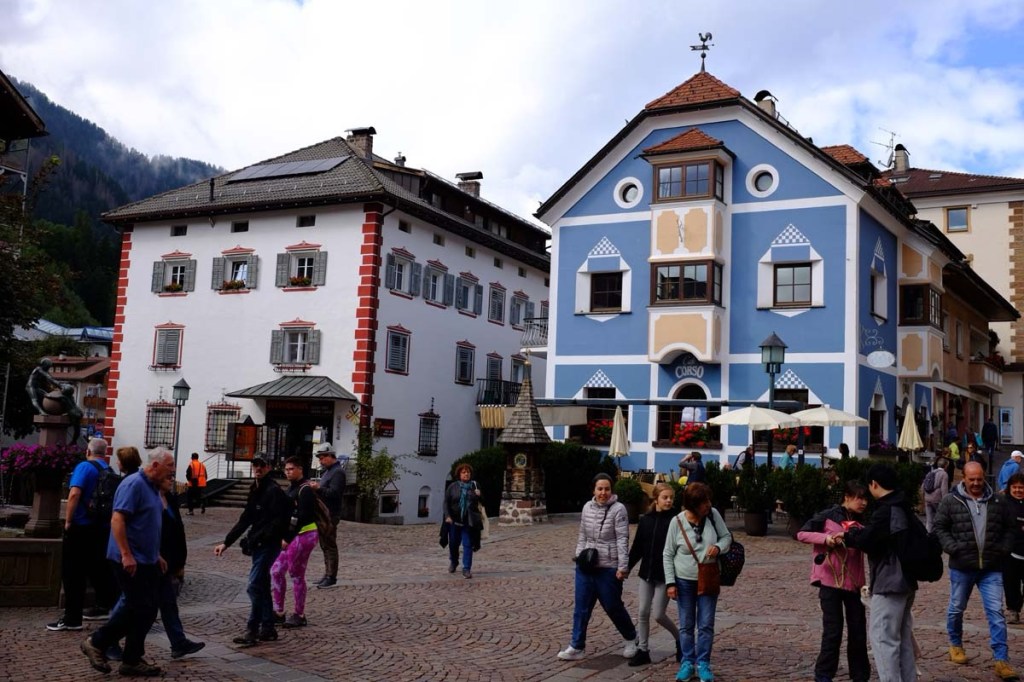
The Dolomites are steeped in cultural heritage, with a rich history that reflects the interplay between the land and its inhabitants. The region is home to several ‘Ladin’ communities, whose unique language and traditions have been shaped by the mountainous landscape. The architecture, cuisine, and festivals of these communities offer visitors a glimpse into a way of life that has persisted for centuries.
Sustainable tourism can enhance this cultural heritage by promoting local traditions and supporting community-based initiatives. By encouraging visitors to engage with local culture—through guided tours, traditional culinary experiences, and artisan workshops—tourism can provide economic benefits while fostering a greater appreciation for the region’s heritage.
Sustainable Tourism: Balancing Preservation and Economic Development

As tourism in the Dolomites continues to grow, the challenge lies in balancing the influx of visitors with the need to preserve the natural and cultural environment. Sustainable tourism practices are essential to achieve this balance. Strategies such as promoting eco-friendly accommodations, implementing visitor limits in sensitive areas, and encouraging off-peak travel can help mitigate the environmental impact of tourism.
Moreover, the Dolomites have embraced initiatives that promote responsible tourism, such as the “Dolomiti UNESCO” project, which aims to educate visitors about the region’s natural and cultural significance. By fostering a sense of stewardship among tourists, these initiatives can lead to more conscious travel choices and a commitment to preserving the area’s beauty.
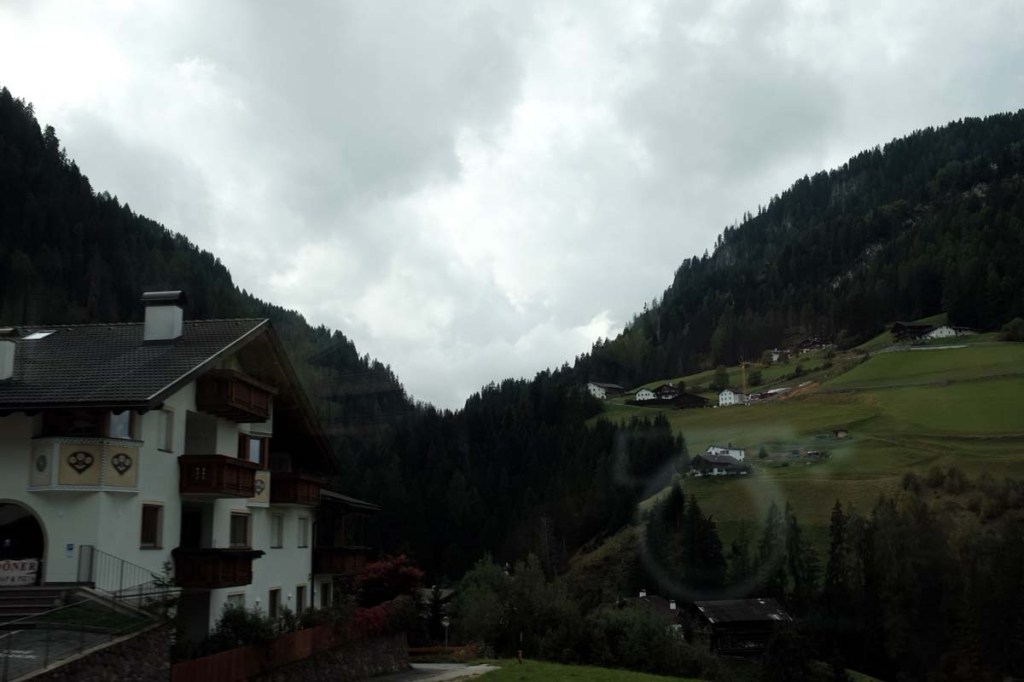
The Dolomites stand as a testament to nature’s artistry and the importance of sustainable tourism. As a UNESCO World Heritage site, they embody the delicate balance between human activity and environmental preservation. By prioritizing sustainable practices, the Dolomites can continue to inspire awe in future generations while supporting local communities and conserving their rich natural heritage. It is imperative that we recognize the value of such landscapes, not only for their beauty but also for the lessons they teach us about coexistence, respect, and responsibility towards our planet. The Dolomites are more than just a destination; they are a call to action for sustainable living and tourism in harmony with nature.
On a more personal note, I was amused by our Italian tour guide’s attitude towards the locals, on full show when I mentioned that most of the villages and towns in the region looked distinctly Austrian. ‘They like to think of themselves as Austrian,’ she told me with some feeling. ‘But they’re not – they’re Italian!’
Must have touched on a raw nerve…
 theromantictraveller
Pingback: Slow Travel in the Dolomites: A Practical Guide - itinerisplanner the best AI assisted travel planner·
Pingback: Zero Waste Road Trip: Adventure in the Dolomites - itinerisplanner the best AI assisted travel planner·
Pingback: Regenerative Travel in Europe: A Regional Guide - itinerisplanner the best AI assisted travel planner·