
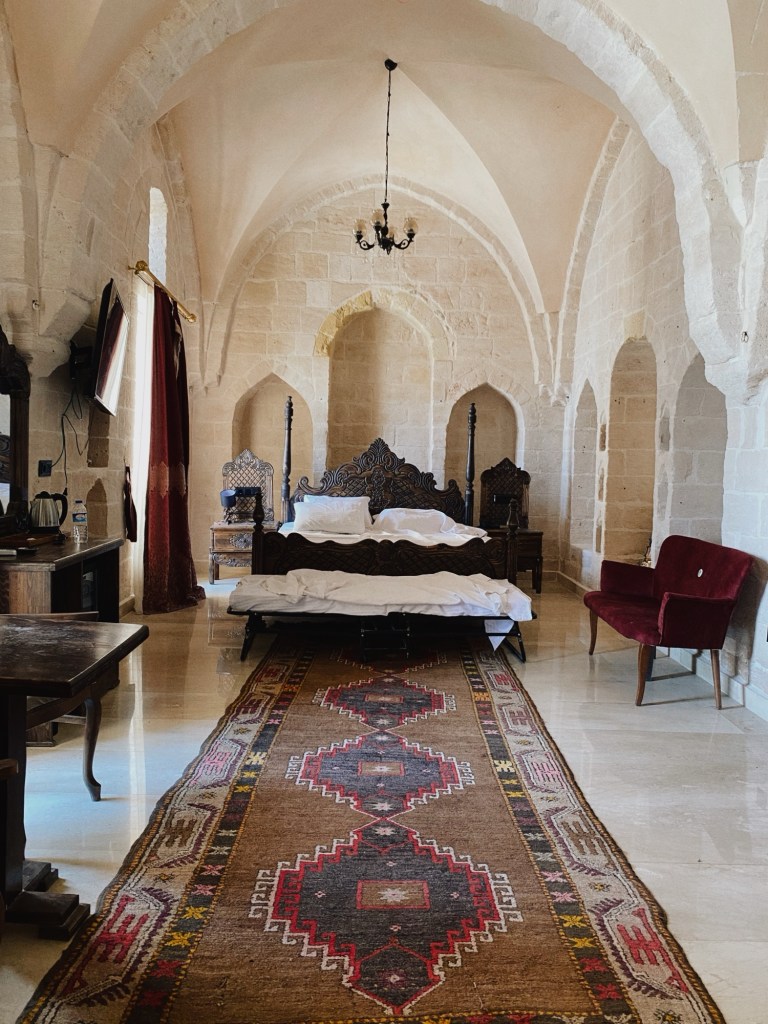
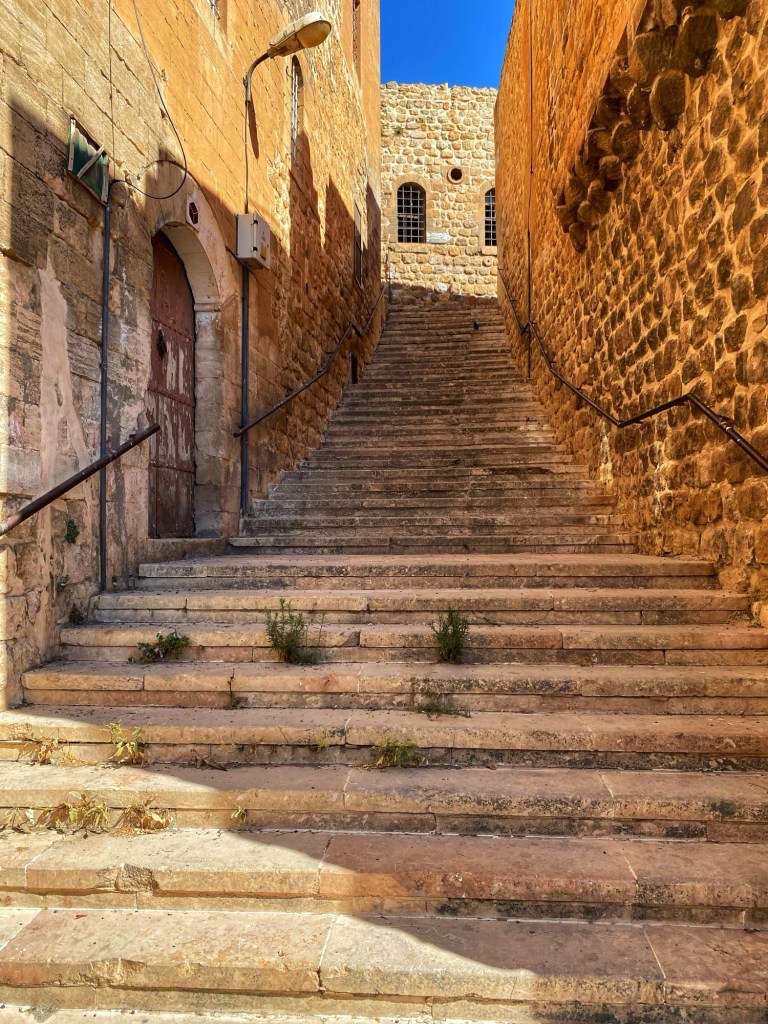
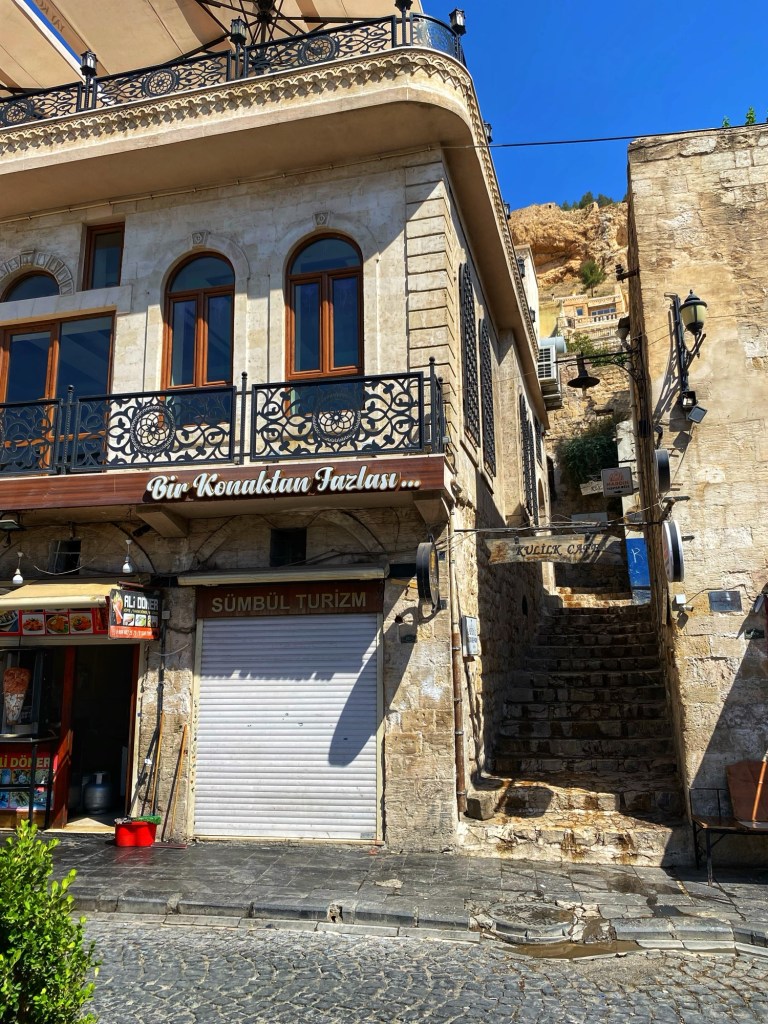
On my late tour of eastern Anatolia, I was especially impressed with the historic core of Mardın. Tucked into the fertile Menderes valley, old Mardın preserves a layered past whose architectural features reflect the Hellenistic, Roman, Byzantine and Ottoman periods. Narrow lanes, timber‑framed houses and small neighbourhood mosques cluster around shaded courtyards; the old bazaar still hums with commerce. Though firmly rooted in Aegean culture, Mardın’s historic quarter also bears traces of Arabic influence that arrived across centuries with religion, trade and artistic exchange.

Arabic influence in the quarter is most visible in religious and written culture. Mosques and madrasas retain Qur’anic inscriptions and calligraphic panels rendered in Arabic script; these epigraphs link local devotional life to the broader literary and religious traditions of the Islamic world. Ottoman-era scholars and Sufi masters who frequented Anatolian towns were schooled in classical Arabic texts, and that intellectual inheritance is reflected in the historic quarter’s surviving libraries, grave inscriptions and occasional manuscript fragments found in municipal collections.

Commerce created another vector for Arabic presence. From the medieval period into the Ottoman era, trade routes threaded across Anatolia to the Levant and the Arab-speaking Mediterranean. Merchants from Aleppo, Damascus and other coastal bazaars travelled with goods, culinary tastes and artisanal practices that left subtle marks on marketplaces like Mardın’s. Metalwork, textiles and certain weaving and embroidery motifs in local workshops show affinities with Levantine and Arabic craftsmanship, a reminder that artisans learned from itinerant masters and copied popular designs that traversed regions.
Culinary life in the historic quarter also shows eastern Mediterranean affinities. Coffeehouses, a social staple introduced from the Arab world and Yemen via the Ottoman coffee trade, became centres of public life; coffee culture and the tea‑and‑coffeehouse social activity remain central to neighbourhood rhythms. Some local recipes incorporate spices, preserved vegetables and sweetmeats that reflect Levantine and Arabic tastes, creating a hybrid culinary palette that blends Aegean produce with eastern flavours.

Linguistic and everyday cultural traces survive as well. Arabic contributed religious vocabulary and loanwords into Ottoman Turkish; many of these words persist in local idioms and formal speech. Sufi orders and pilgrimage practices that have roots in Arabic‑language devotional literature left ritual forms and songs that were adapted into the local vernacular traditions.
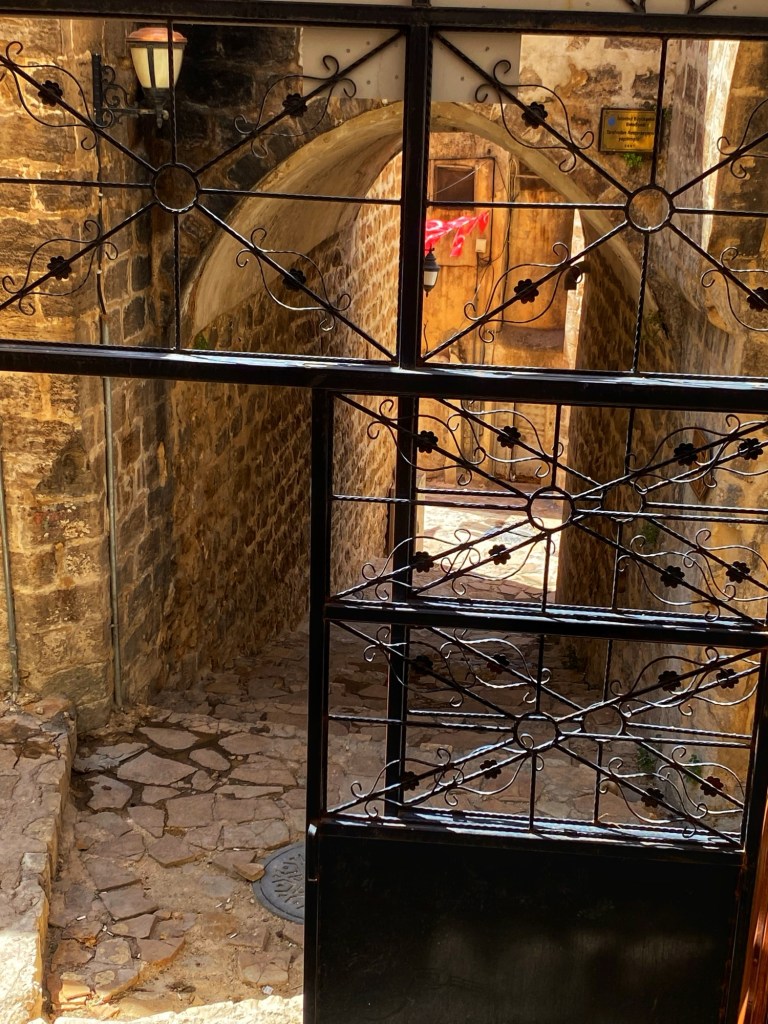
Today the historic quarter balances preservation and living culture. Restored Ottoman houses host small museums and guesthouses; artisan workshops teach traditional techniques that absorb both Anatolian and Levantine heritage. Walking the lanes, visitors encounter Arabic script in stone epigraphy, cups of strong coffee shared beneath plane trees, and crafts that reveal centuries of exchange.

The Arabic influences in Mardın’s old quarter are not dominant but integral: they are part of a complex cultural palimpsest in which Anatolian, Aegean and eastern Mediterranean threads intertwine. Together these layers create a neighborhood that is at once local and cosmopolitan, a modest crossroads of language, faith, trade and art. Preservation projects and community initiatives continue to highlight these cross‑cultural connections, promoting cultural tourism and local pride while supporting artisans, researchers and teachers who preserve Arabic‑language materials and shared traditions for the enjoyment and education of future generations today.
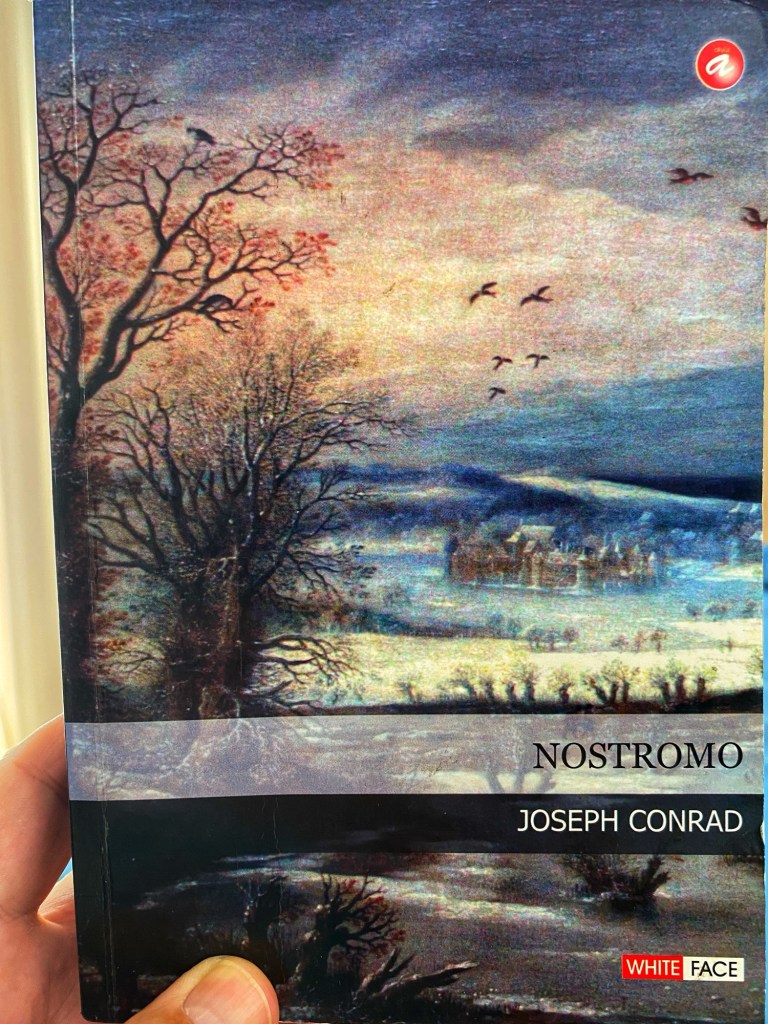
Incidentally, I picked up a paperback copy of Conrad’s Nostromo at Antalya coach station on the way and am still reading it. I found a quite good production of it on YouTube, with Albert Finney and Claudia Cardinale, a British-Italian production from 1997. I looked up this painting and apparently it was the work of Denis van Alsloot in 1614. The castle is that of Tervuren in the Netherlands, home of the Dukes of Brabant, and it was demolished in 1782. Everything in the painting disappeared long ago.
 theromantictraveller