
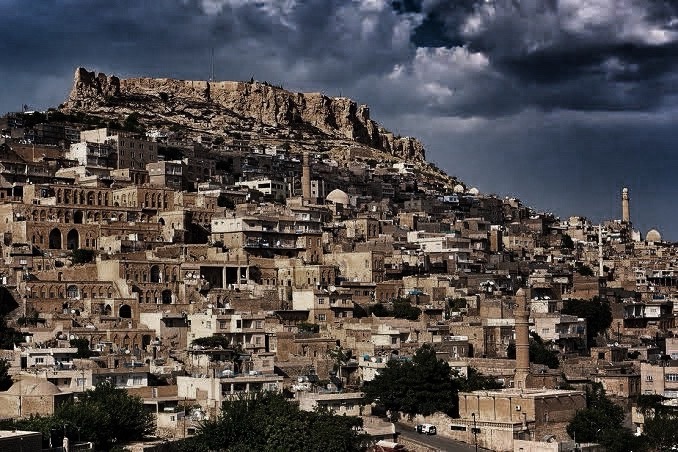
Midyat, in Turkey’s Mardin Province, sits on a sun-baked plateau overlooking the plains of southeastern Anatolia. As the cultural heart of the Tur Abdin region, Midyat is a living mosaic of languages, religions and crafts, where centuries-old stone houses and winding alleys reflect a complex history shaped by Assyrians, Romans, Byzantines, Arabs, Kurds and Ottomans. Its distinctive architectural silhouette and unusually rich heritage make Midyat an evocative stop for travellers interested in scraping at the exotic layers of the Anatolian palimpsest.
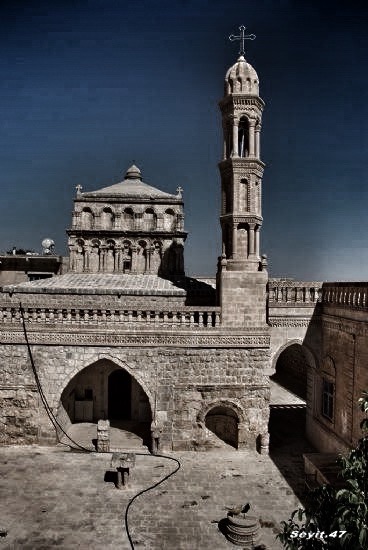
Archaeological and textual evidence reveal that the area has been inhabited since the earliest Mesopotamian period. Over the millennia, Midyat belonged to a succession of empires and cultures that left their traces in its monuments and traditions. During the Byzantine era and later under Islamic rule, Midyat was an important centre for Syriac Christianity. Its surrounding hills host some of the oldest monasteries and churches still in use, testifying to a continuous Christian presence in the Tur Abdin (“Mountain of the Servants [of God]”) region.
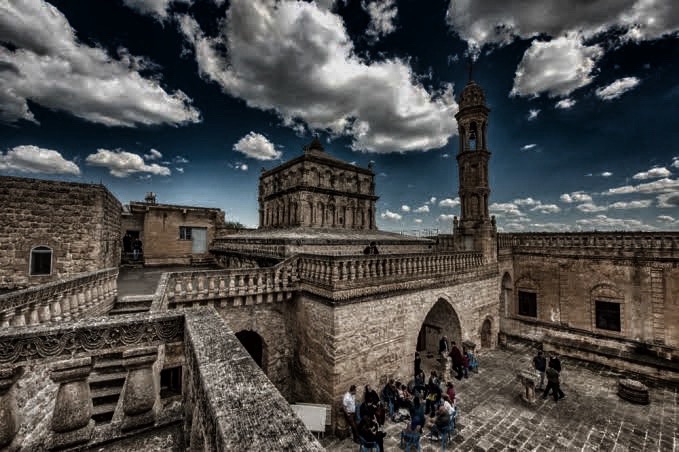
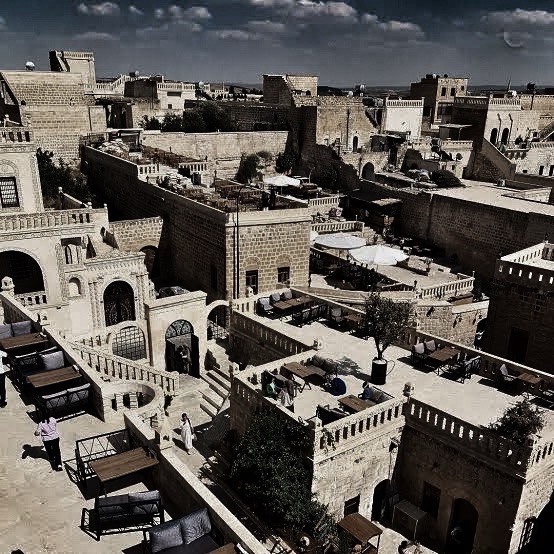
The town’s built environment is its most arresting feature. Traditional Midyat houses are crafted from warm, cream-coloured limestone cut into elegant blocks and arranged into tightly packed mansions with inner courtyards. Narrow streets and vaulted passages channel the heat while creating intimate, human-scaled spaces. Wooden doors, carved lintels, ornate balconies and stone-framed windows lend each house a distinct personality. Many of these buildings have been carefully restored in recent years, converting former residences and workshops into guesthouses, cafés and galleries that welcome visitors without erasing the authentic streetscape.
Midyat is also famed for its living traditions. It is one of the last strongholds of the Syriac language (Sureth) and a centre for Syriac Orthodox liturgy and culture. Nearby Mor Gabriel Monastery, founded in the late 4th century, is one of the oldest functioning monasteries in the world and remains a focal point for pilgrimage and religious life. At the same time, Kurdish, Arabic and Turkish influences shape everyday life in the market, cuisine and music, producing a distinctive local identity built on cohabitation and exchange.
Handicrafts are an essential part of Midyat’s economy and heritage. Craftspeople in the town continue the centuries-old art of telkari — delicate silver filigree work used in jewellery and religious objects — as well as stone carving, leatherwork and textile weaving. Local markets sell these artisanal goods alongside spices and regional specialties, giving visitors a tangible connection to the area’s craft traditions.
In recent decades, Midyat has attracted the attention of cultural tourists, filmmakers and heritage advocates, drawn by its photogenic architecture and unique history. While many of the region’s Christian families emigrated in the 20th century, a resilient community endures and there is renewed interest among the diaspora in restoration and cultural revival projects.
Today, Midyat stands as both a repository of ancient traditions and a town negotiating the pressures and opportunities of modern life — a place where stone and story, faith and craft, continue to meet. It was one of the highlights of my recent trip, and I can see myself visiting this gorgeous place again before I become too decrepit.
 theromantictraveller