
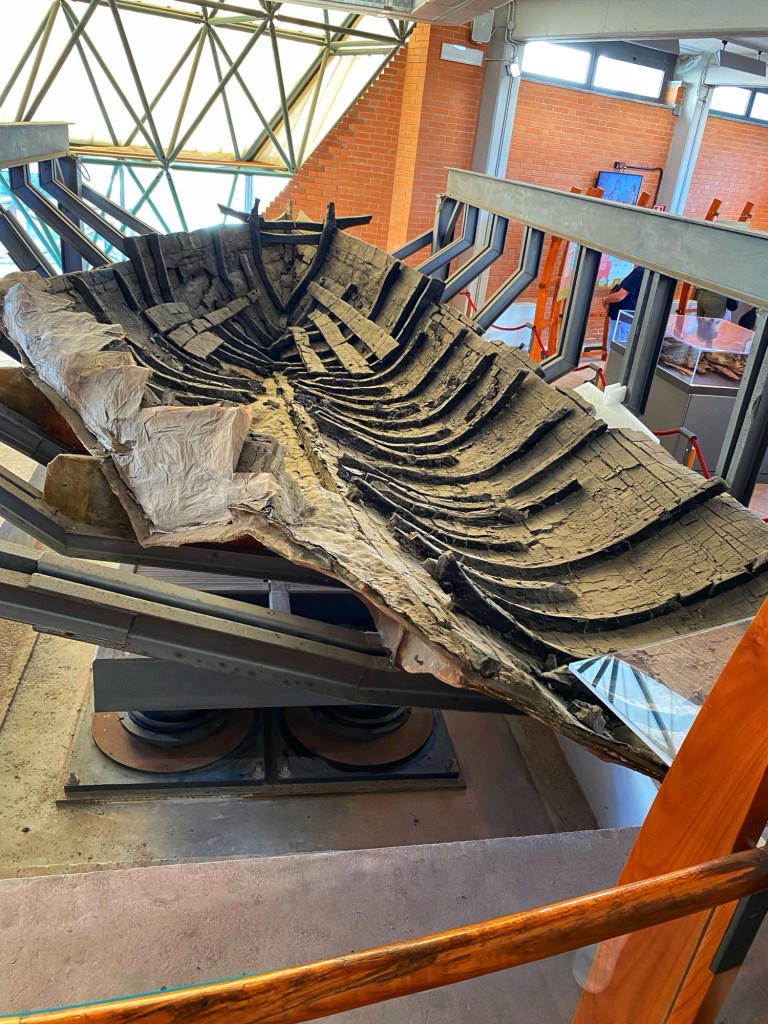
Tucked beneath the slopes of Mount Vesuvius, Herculaneum (Ercolano) offers one of the most intimate and haunting windows into Roman daily life. Unlike its larger neighbour Pompeii, Herculaneum was overwhelmed by a fast-moving surge of volcanic material during Vesuvius’s eruption in AD 79. The town was not simply buried by ash; it was entombed in hot pyroclastic flows and a thick layer of mud and volcanic debris that sealed buildings, organic objects and even upper floors, resulting in a remarkable state of preservation.
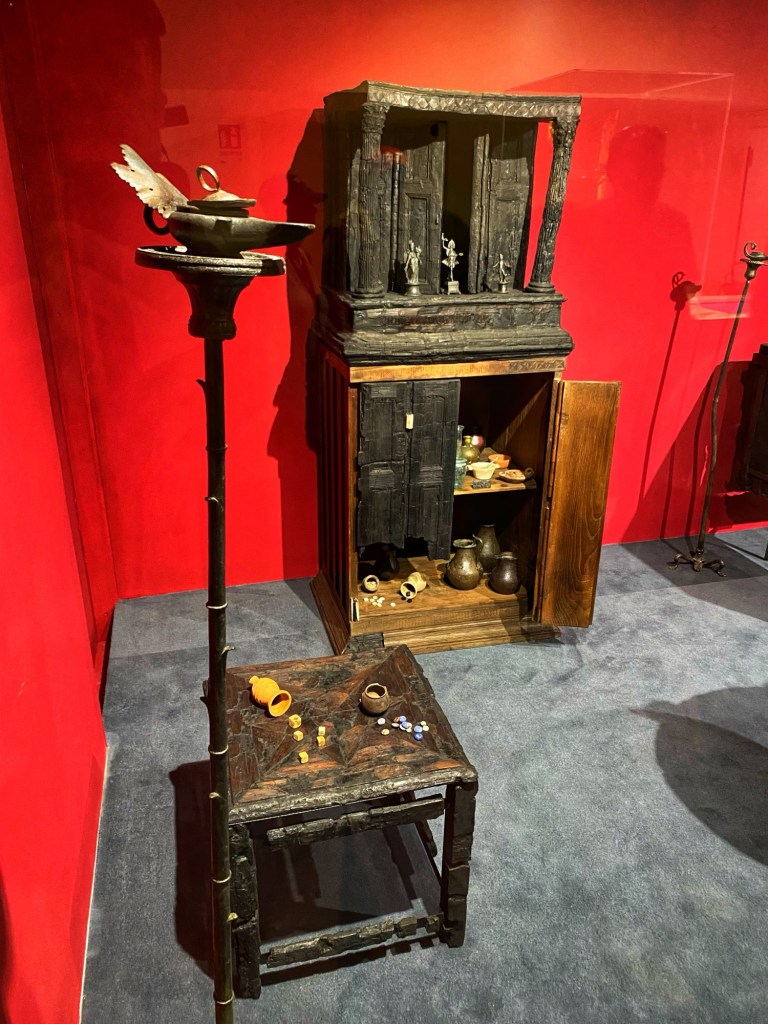
Herculaneum was in Roman times a prosperous coastal settlement with elegant houses, thermal baths, and a bustling harbour. Wealthy Romans favored it as both a commercial hub and a seaside retreat. When Vesuvius erupted, many residents attempted to flee; others sheltered in boathouses and vaulted chambers along the shoreline. The rapidity and heat of the flows carbonised wooden beams, furniture and household goods, preserving details that are lost at most other sites. The result is a time capsule: preserved wooden doors, roof timbers, food remains, and intricate household items, making Herculaneum uniquely vivid and fascinating.
The site was rediscovered in the early 18th century. Workers digging a well in 1709 uncovered ancient marble; systematic excavation accelerated under the Bourbon kings in the mid-18th century, though early digs were often tunnel-based and focused on retrieving treasures. Later archaeological work shifted toward careful, open-area excavation and conservation.
One of the most extraordinary finds associated with Herculaneum is the Villa of the Papyri, a luxurious suburban villa buried nearby that yielded a library of some 1,800 carbonised papyrus scrolls—an unparalleled collection of ancient texts that continues to be studied with modern imaging technology.
Highlights of a visit to Herculaneum
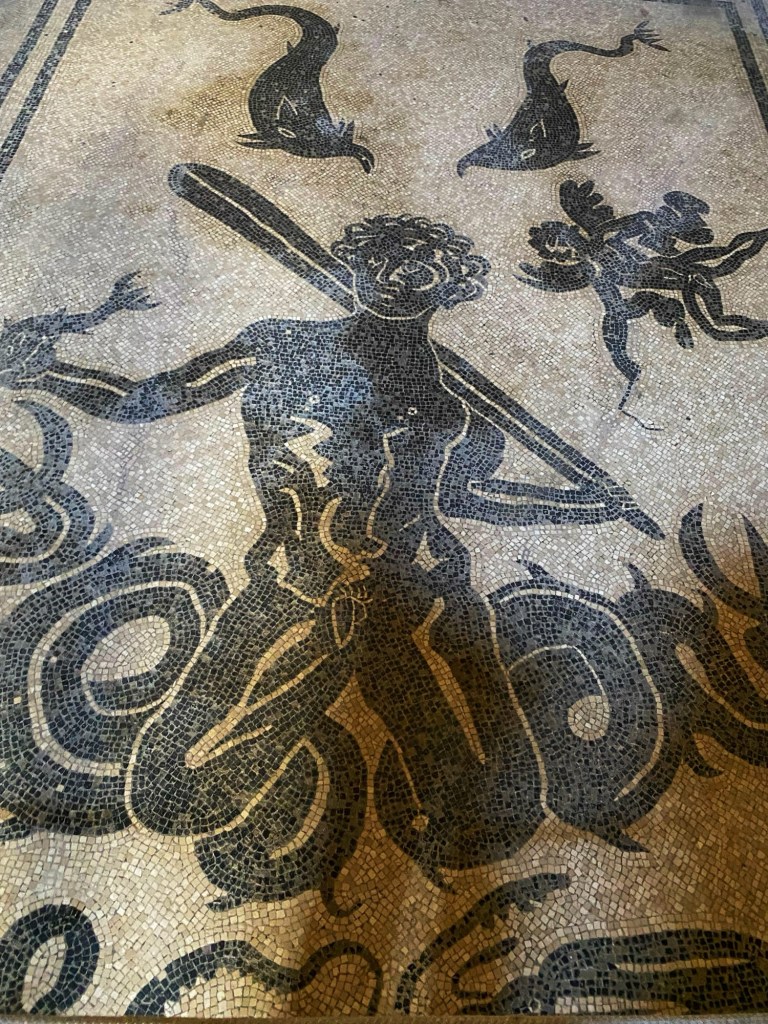
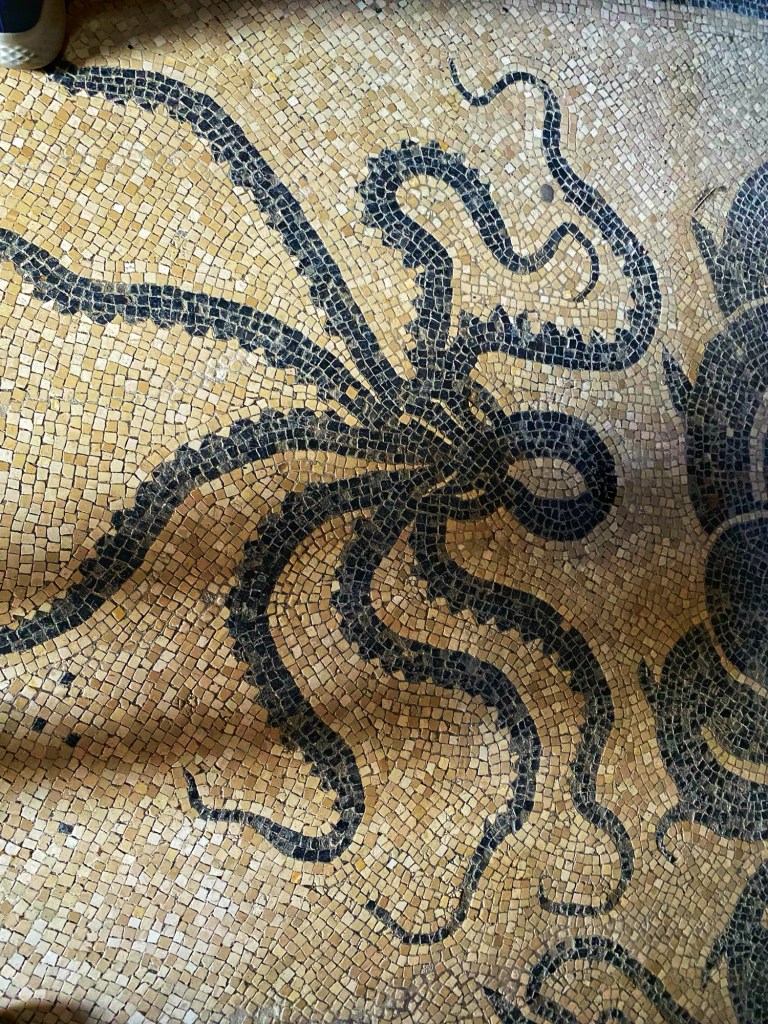
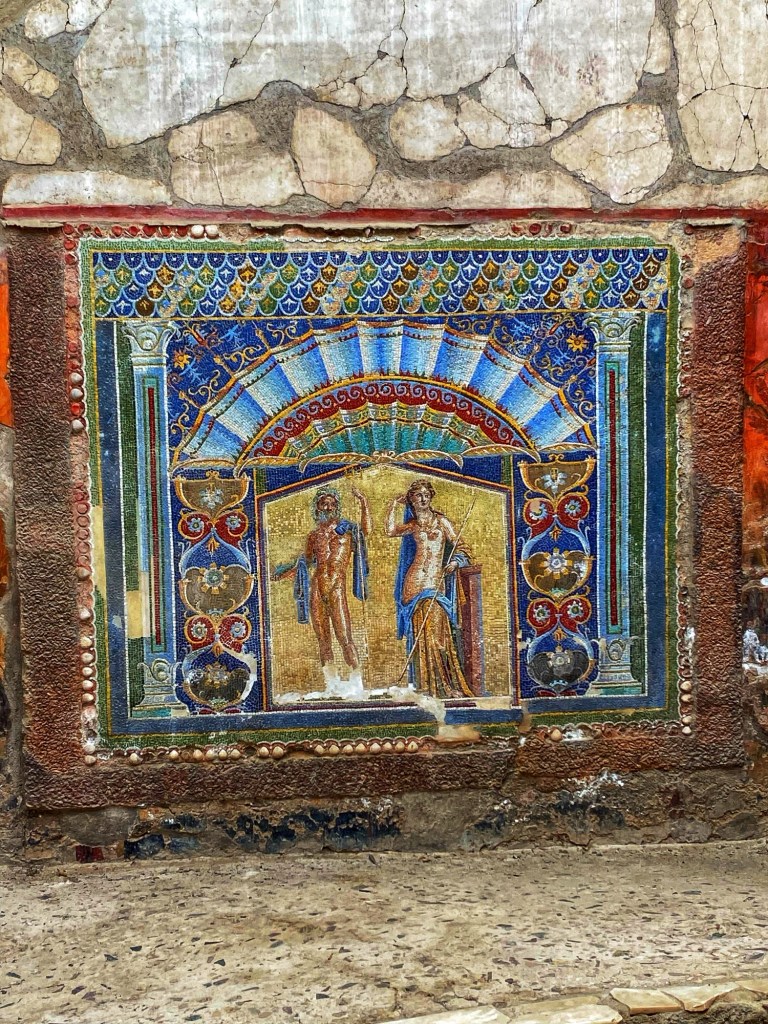
• The urban fabric: Walking the excavated streets, you’ll see multi-story houses, complete with upper-floor staircases and balconies—features rarely preserved elsewhere. Look out for original wooden elements, mosaics and frescoes that retain color and detail.
• Villa of the Papyri: Though parts of the villa are not always open to the public, the site and its story—the exquisite bronzes and the carbonised scrolls—are central to Herculaneum’s importance. Nearby museums display artefacts from the villa.
• Baths and public buildings: Explore well-preserved baths and public spaces that reveal Roman social life, from bathing rituals to commerce.
• House of the Deer and others: Select houses, like the House of the Deer and the House of the Mosaic Atrium, have especially fine frescoes, mosaics and architectural details that exemplify domestic luxury.
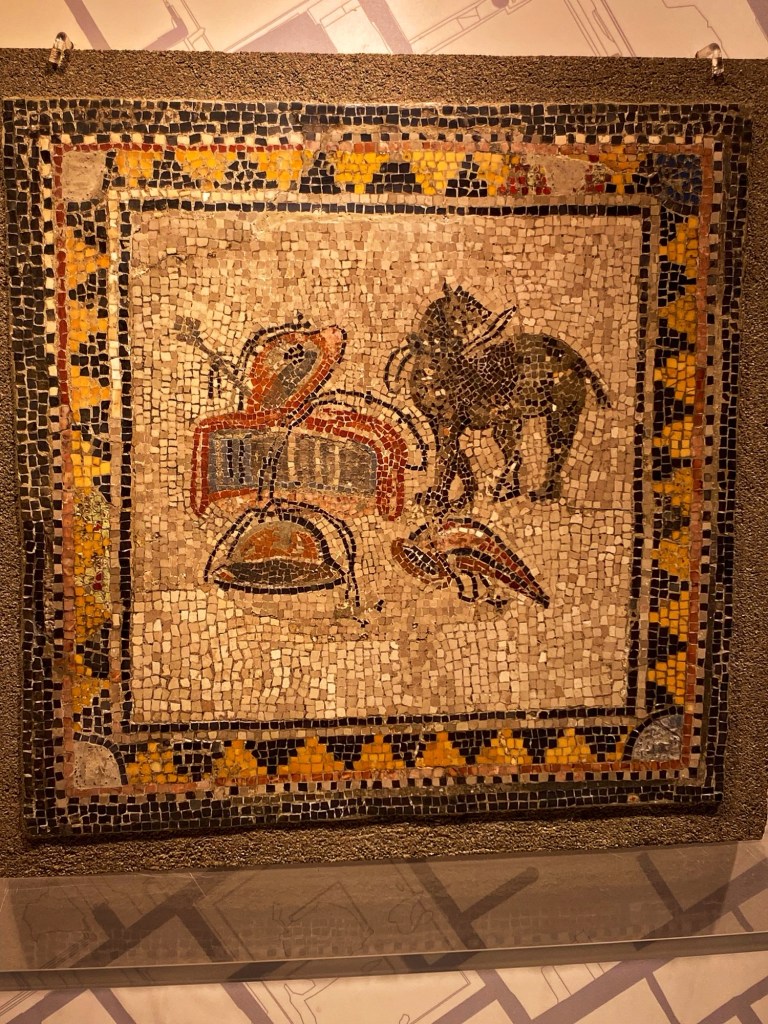
• Archaeological Museum: Many finds from Herculaneum are displayed in the National Archaeological Museum in Naples and the local Antiquarium of Herculaneum, where you can see everyday objects, utensils, and decorative items removed from the site.
Practical tips
• Herculaneum is more compact than Pompeii and often less crowded; a two- to three-hour visit can be deeply rewarding. Guided tours add historical context and point out subtle details you might miss.
• Wear comfortable shoes on uneven ancient paving, bring water and sun protection—shade can be limited.
• Combine your visit with the Villa of the Papyri (if open), Pompeii, or a hike on Vesuvius for a full picture of the catastrophe and the landscape that shaped these towns.
Visiting Herculaneum is to step into a frozen moment of Roman life: its silences are loud with the intimacy of sheltered rooms, charred scrolls and the traces of ordinary people caught up in an extraordinary event. It’s an archaeological experience that is both educational and very moving.
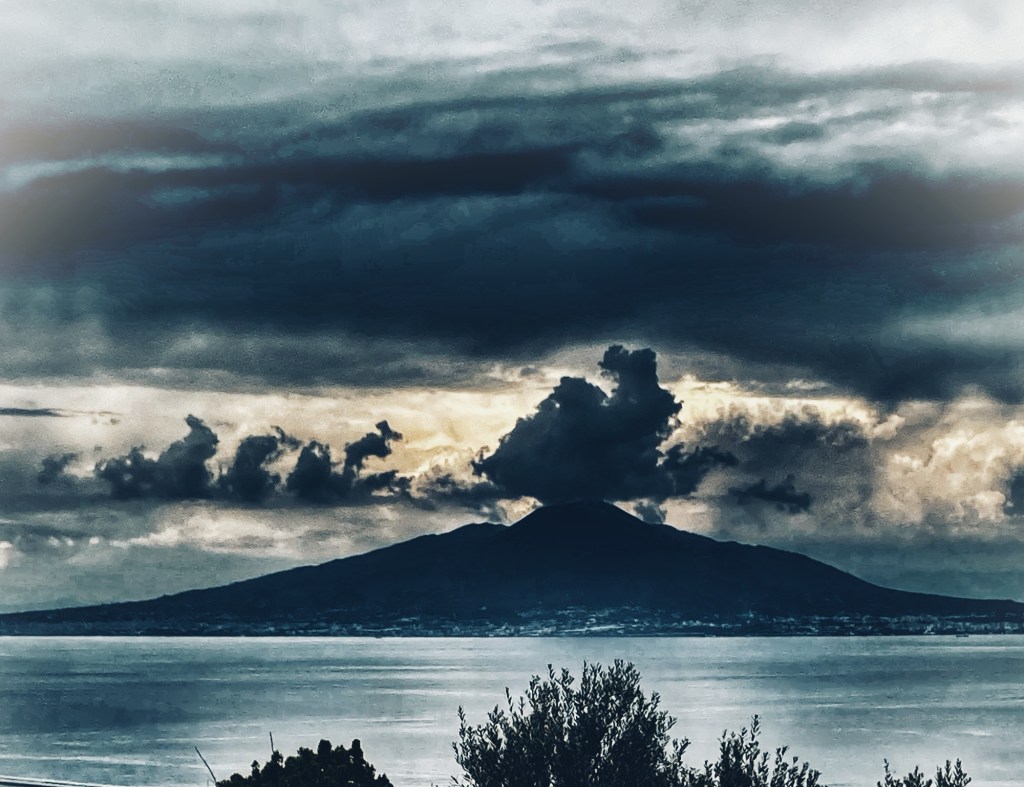
I could see Vesuvius from my hotel, brooding over the Bay of Naples like a temporarily placated but still dangerous god. Why thousands of people still choose to live with their families on its slopes is beyond me. They’re there for the unusually rich and fertile soil of course, but still… The last eruption was in 1948 and apparently the next one is long overdue and expected to be substantial. No comprehensive evacuation plan is in place.
 theromantictraveller