
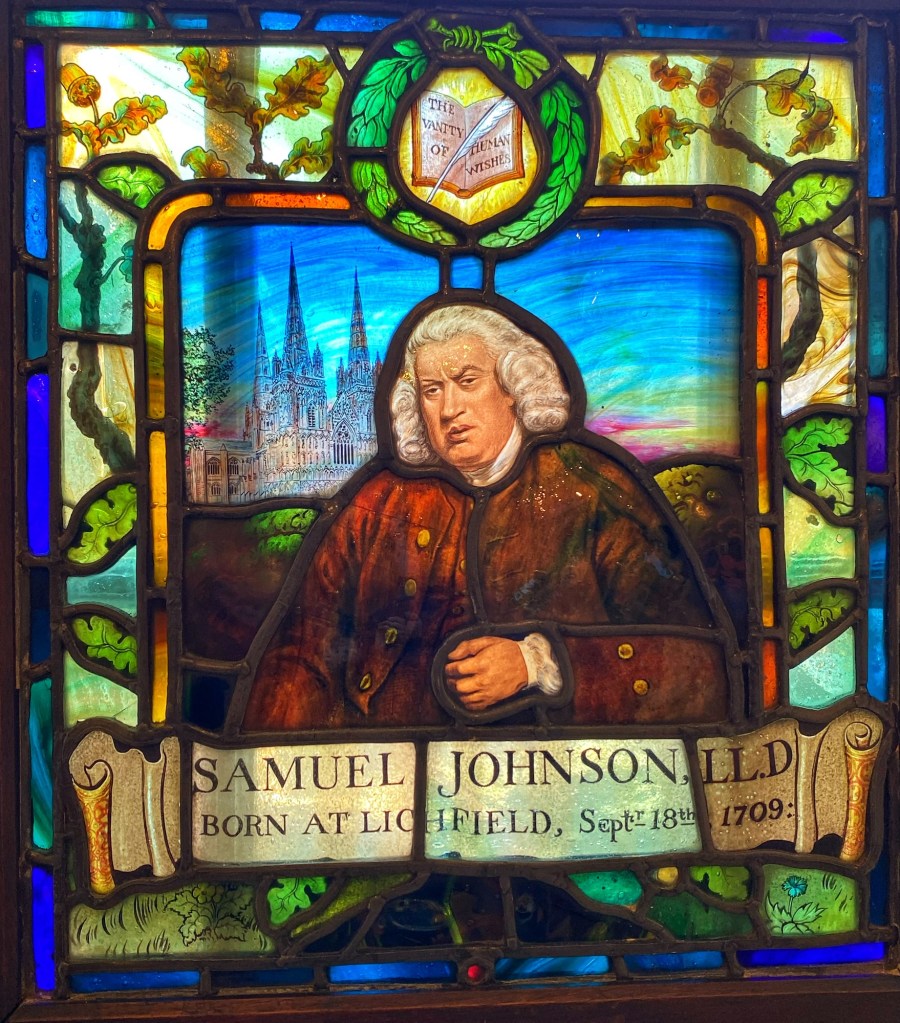
Dr Johnson’s House, tucked away in the historic courtyards of Gough Square near London’s Fleet Street, is one of the city’s few surviving Queen Anne-style townhouses.
Built in the early 18th century, this four-story brick building is celebrated as the house where the eminent writer, critic, and lexicographer Dr Samuel Johnson lived and worked between 1748 and 1759. It was within these walls that Johnson compiled his monumental achievement, the 1755 A Dictionary of the English Language.
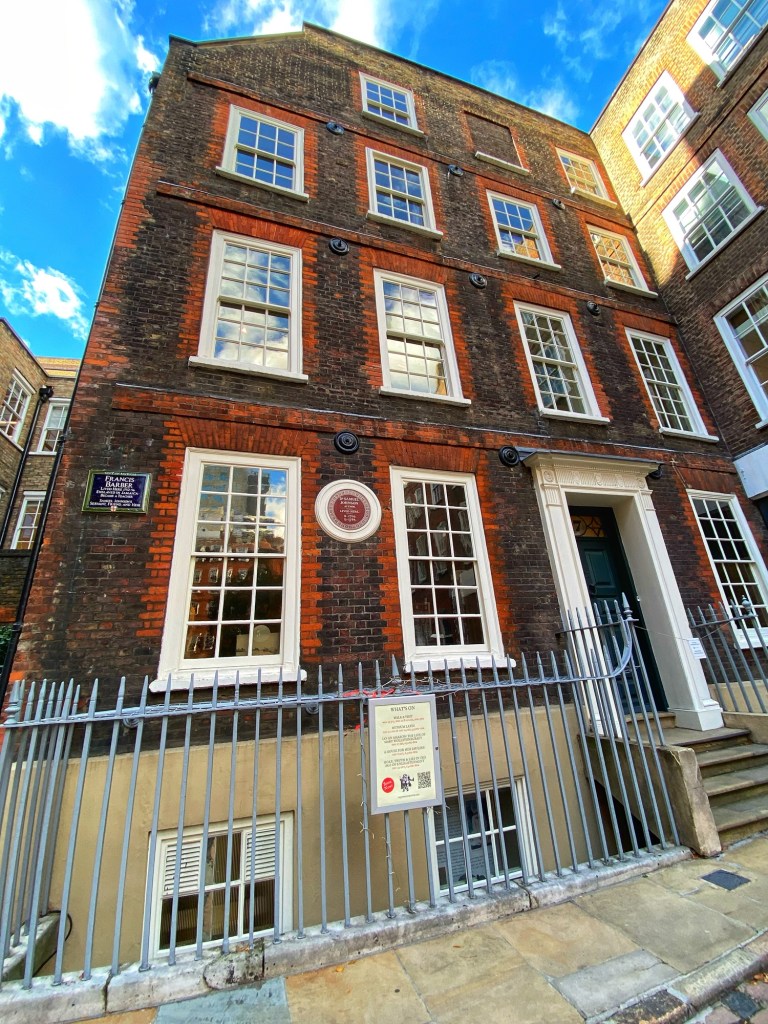
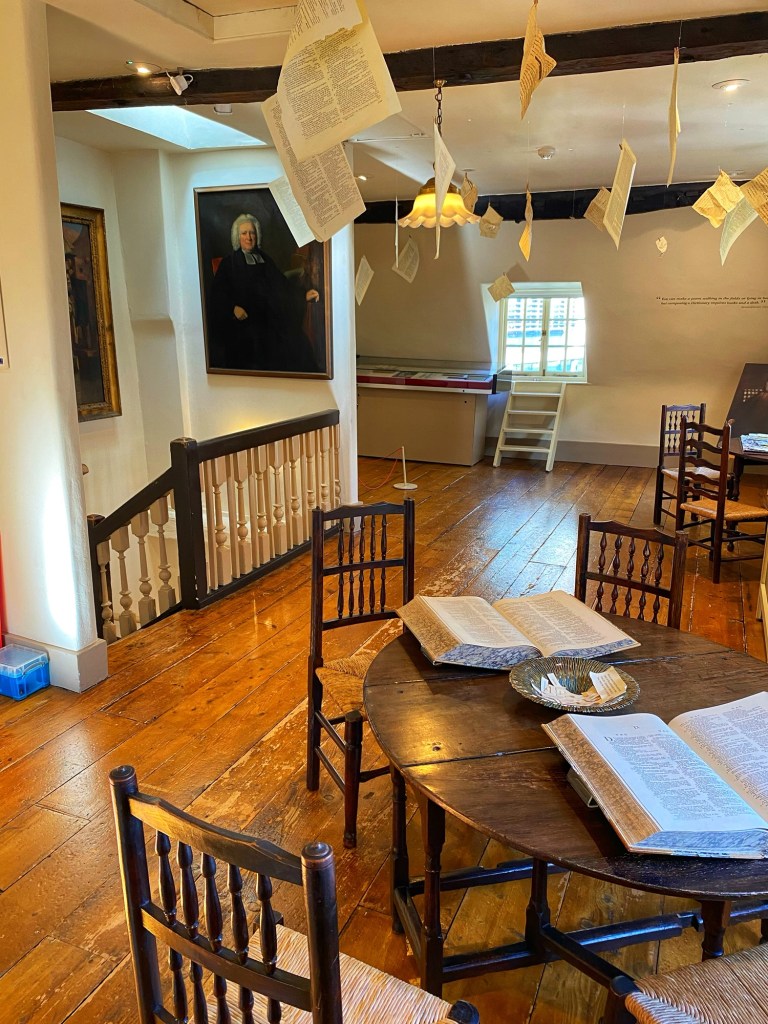
The crowning jewel of the house is its spacious top-floor garret. In this well-lit attic, Johnson established his workspace, surrounded by a small team of six copyists—mostly Scottish clerks—who assisted him. For nearly a decade, they navigated a sea of books, meticulously transcribing quotes and defining over 40,000 words by hand. The physical layout of the room, preserved to capture its original atmosphere, reflects the scale of the intellectual labour that single-handedly shifted the trajectory of English lexicography.
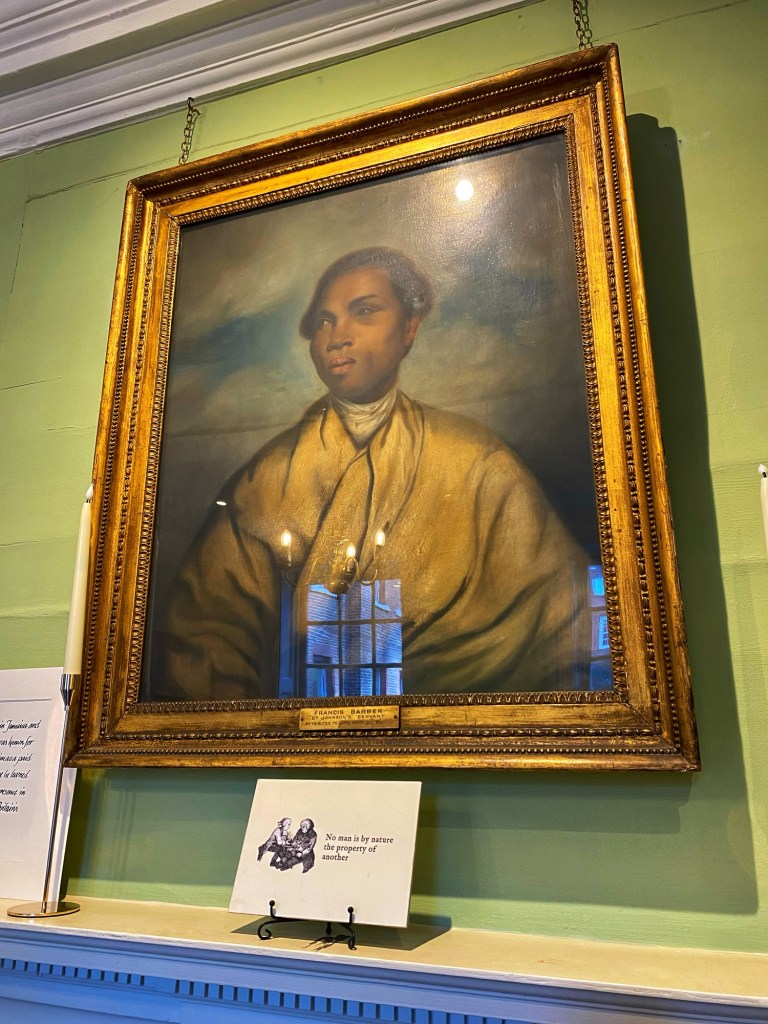
During his decade in Gough Square, the house served as a bustling social and intellectual hub. Johnson, famously sociable yet deeply compassionate, shared his home not only with his wife Tetty (until her death in 1752) but also with an eccentric circle of dependents, friends, and his freed Jamaican servant, Francis Barber. Renowned figures of the Georgian era, including the author Oliver Goldsmith, the actor David Garrick, and the painter Sir Joshua Reynolds, were frequent visitors to the house, making it a cornerstone of London’s literary scene.
After Johnson left in 1759, the house went through a succession of commercial uses, serving as a lodging house, a print shop, and a hotel. By the early 20th century, it had fallen into severe disrepair and faced demolition. It was rescued in 1911 by Cecil Harmsworth, a Member of Parliament who restored the building and opened it to the public as a museum in 1914.
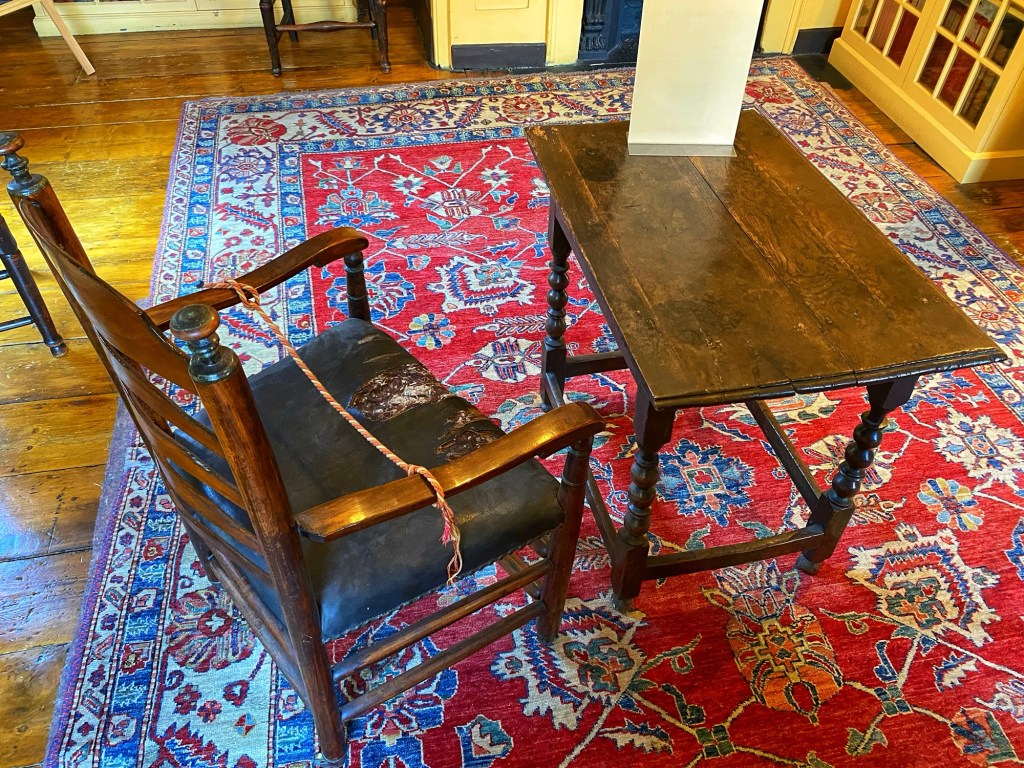
Today, Dr Johnson’s House stands as a quiet monument to a literary giant, offering visitors an authentic glimpse into the daily life, struggles, and triumphs of 18th-century London life.
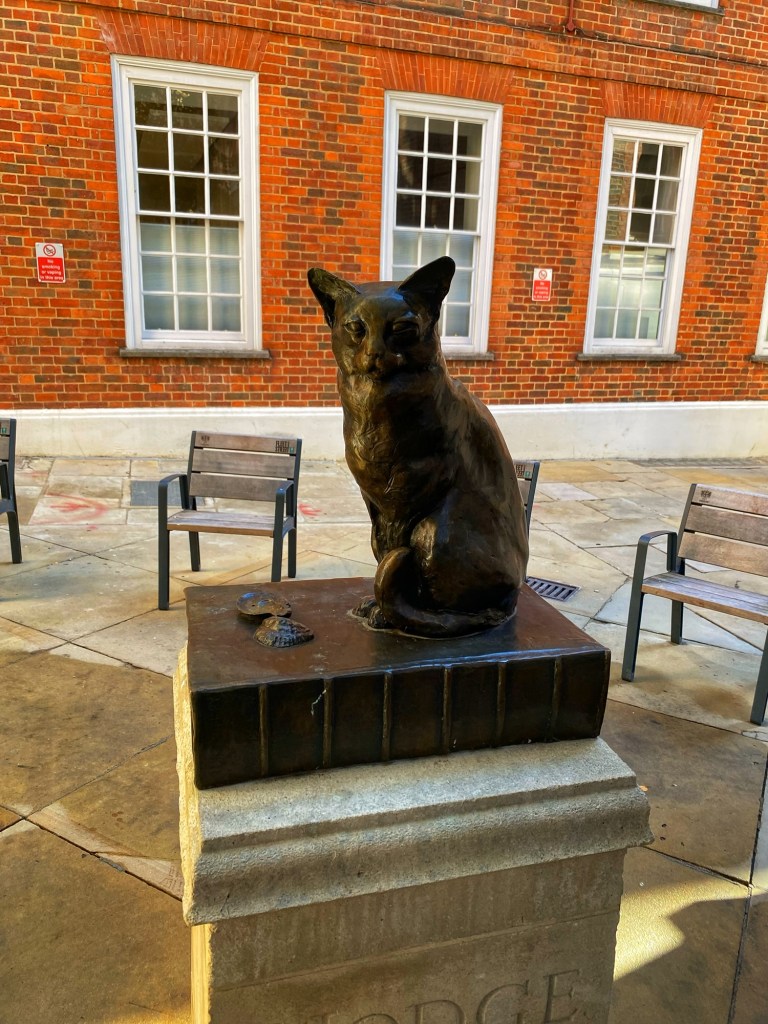
When Boswell asked about him, Johnson vigorously defended his pet, declaring that Hodge was “a very fine cat, a very fine cat indeed”.

